Sakania-Banana Trade Corridor Expected to Reduce DRC Transit Costs by 30% and Boost Regional Commerce
The development of the Sakania-Banana transport corridor could reduce container transit costs in the Democratic Republic of Congo (DRC) by between 25% and 30%, strengthening the country’s logistics network and improving access between key production centres and consumer markets, according to a new study by the Centre for Research in Public Finance and Local Development (Crefdl).
The report, presented in Kinshasa on October 23, highlights the transformative economic potential of the corridor, which is expected to enhance trade flows, lower transportation costs and reduce the country’s dependence on foreign transit routes used for mineral exports.
According to Crefdl, container transport costs that currently range from approximately US$3,500 to more than US$6,000, depending on distance and border conditions, could decline significantly once the corridor becomes fully operational.
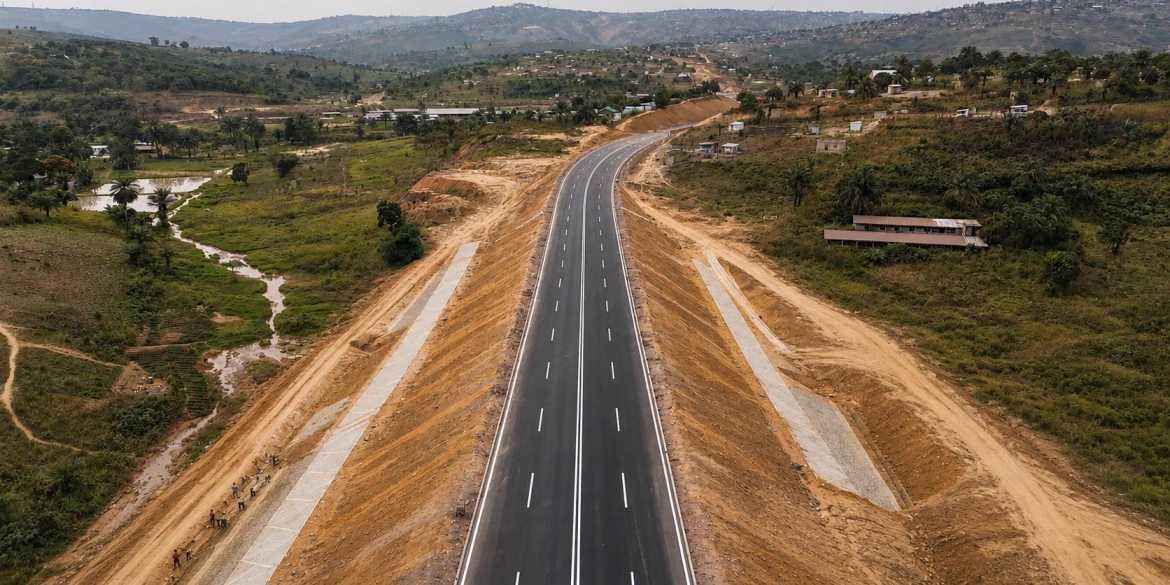
The project is being viewed as a strategic infrastructure initiative aimed at improving connectivity between the country’s southeastern mining regions and the Atlantic coast through the Banana deep-water port in Kongo Central Province.
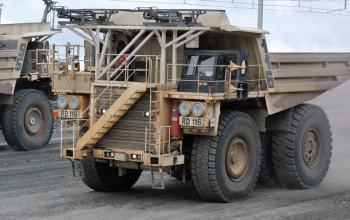
For decades, much of the DRC’s mineral production, particularly copper and cobalt from the Copperbelt region, has relied heavily on southern trade routes passing through neighbouring countries and ports such as Durban in South Africa and Dar es Salaam in Tanzania.
The Sakania-Banana corridor is expected to provide an alternative domestic route, reducing transit times and logistical bottlenecks while increasing the country’s control over its trade infrastructure.
Crefdl noted that the corridor would facilitate commercial exchanges across 11 provinces, including Kongo Central, Kinshasa, Kwilu, Kwango, Kasai, Kasai Oriental, Haut-Lomami, Lualaba and Haut-Katanga.
The route is expected to connect major mining, agricultural and industrial production zones with some of the DRC’s largest consumer markets.
The study estimates that once the road network is fully paved, freight could travel the entire route in approximately four days, representing a significant improvement in transport efficiency across the country.
Beyond trade facilitation, the project is also expected to generate substantial economic benefits through job creation and infrastructure development.
Crefdl estimates that the corridor could support up to 55,000 jobs in the long term, creating opportunities in construction, transport, logistics, services and related industries.
The report further highlights the scale of investment required to develop the transport network.
The road component is estimated to cost approximately US$1.08 billion and is expected to be financed through the Sino-Congolese cooperation programme.
In addition to the highway infrastructure, plans include a major railway system linking the country’s interior to the coast.
The proposed rail network is estimated to cost between US$8 billion and US$10 billion and could be capable of transporting more than 50 million tonnes of freight annually once operational.
The Banana deep-water port, a cornerstone of the corridor strategy, is expected to enhance the DRC’s maritime access and reduce reliance on foreign ports for imports and exports.
According to the report, the facility will have the capacity to handle approximately 32,000 containers annually.
Analysts believe the corridor could significantly improve the competitiveness of Congolese exports by reducing transportation costs and improving supply chain efficiency.
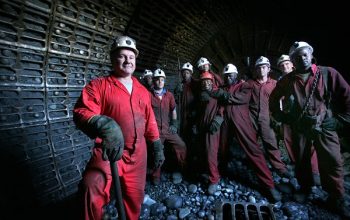
This would be particularly important for the mining sector, which remains the backbone of the country’s economy and a major source of export revenues.
Despite the projected benefits, Crefdl raised concerns regarding transparency, governance and public participation in the implementation of the project.
The organisation warned that shortcomings in these areas could affect execution and undermine the corridor’s long-term economic impact.
To address these challenges, the research centre is calling for the project to be fully incorporated into the national budget framework.
It argues that public funding should be allocated to support pre-feasibility and feasibility studies, helping ensure that technical, environmental and economic assessments are completed before large-scale investments are undertaken.
Crefdl also stressed the importance of strengthening oversight mechanisms and improving stakeholder engagement to secure the long-term viability of public-private partnerships associated with the project.
If successfully implemented, the Sakania-Banana corridor could become one of the DRC’s most important transport and trade infrastructure projects, helping unlock economic growth, enhance national connectivity and support the country’s ambition to become a more competitive regional logistics and mining hub.